What We Are Doing
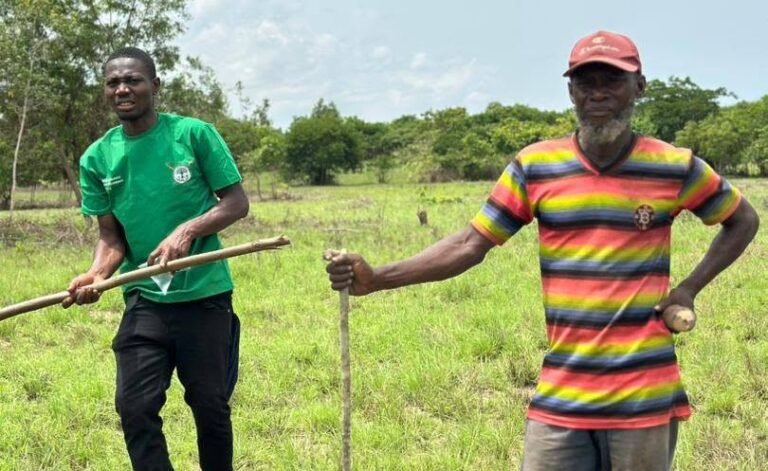
- Assisted natural regeneration of existing vegetation and forest remnants.
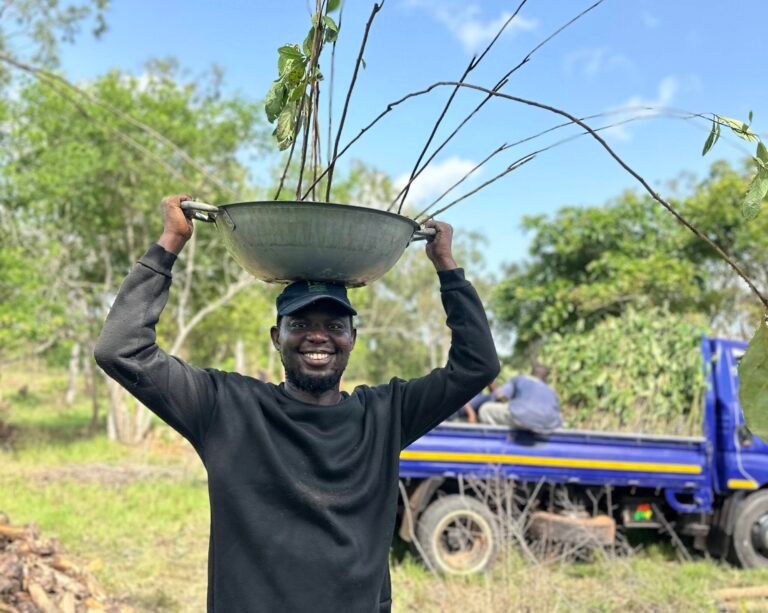
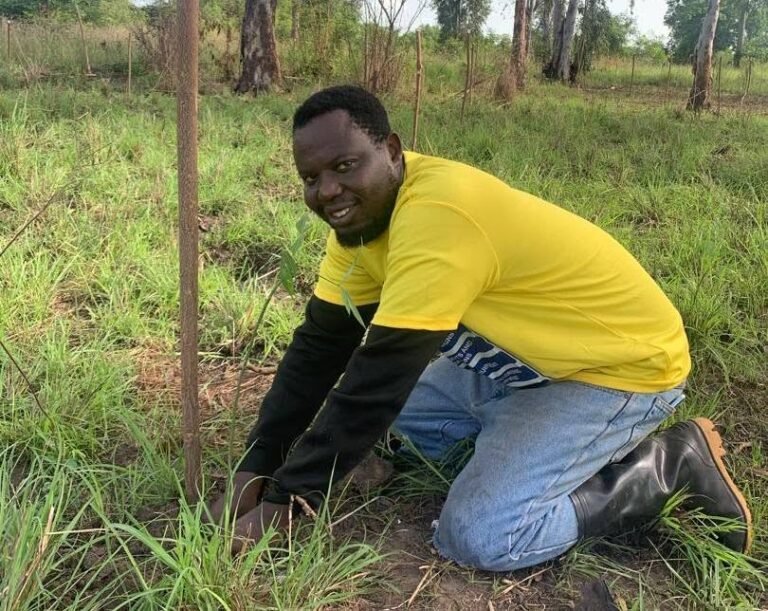
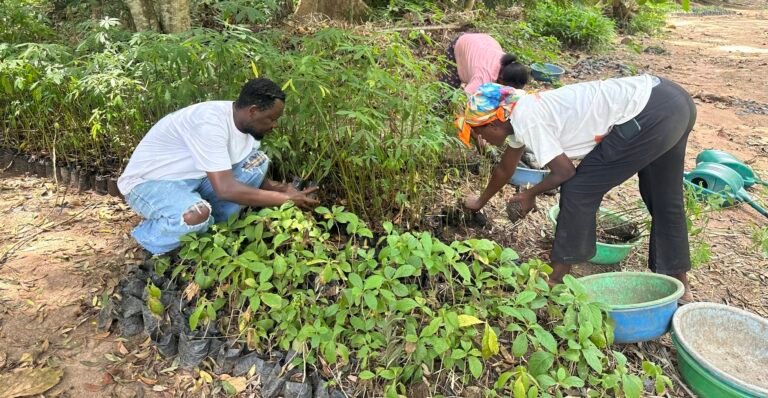
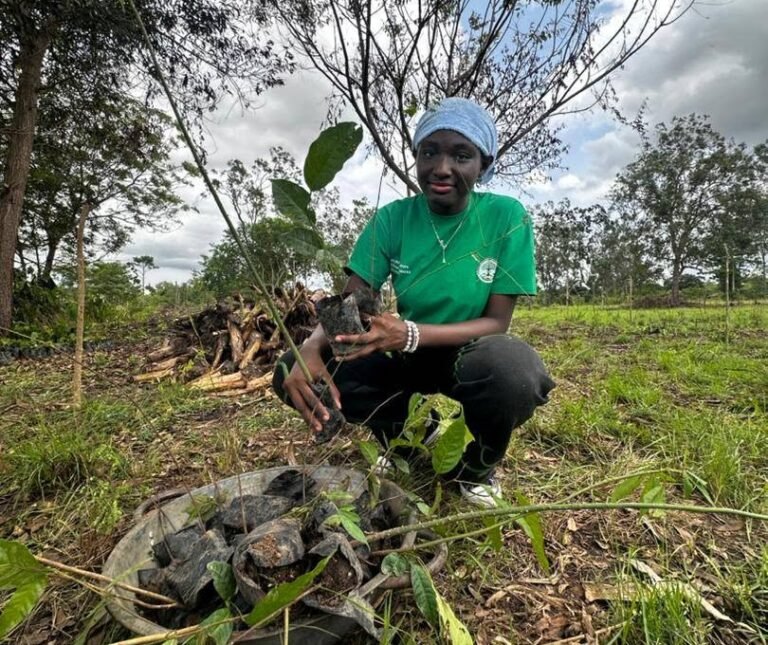
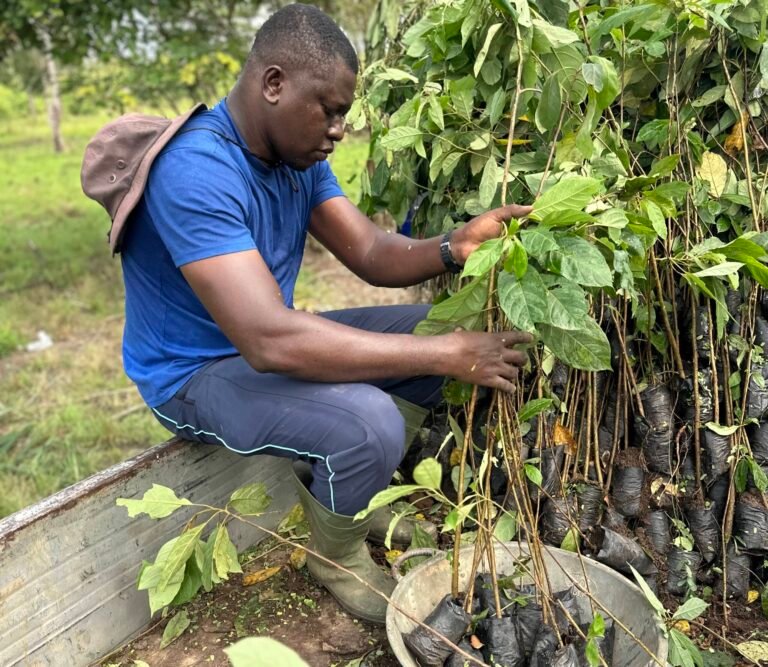
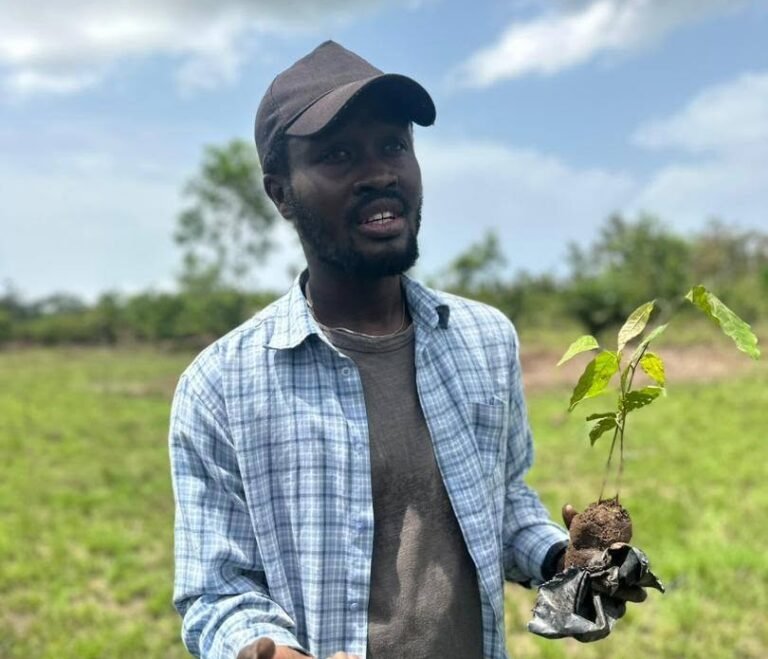
- Replanting native species, including Ceiba pentandra (Onyina), Tetrapleura tetraptera (Prekese), and Terminalia superba (Ofram), Mahogany (Khaya ivorensis )
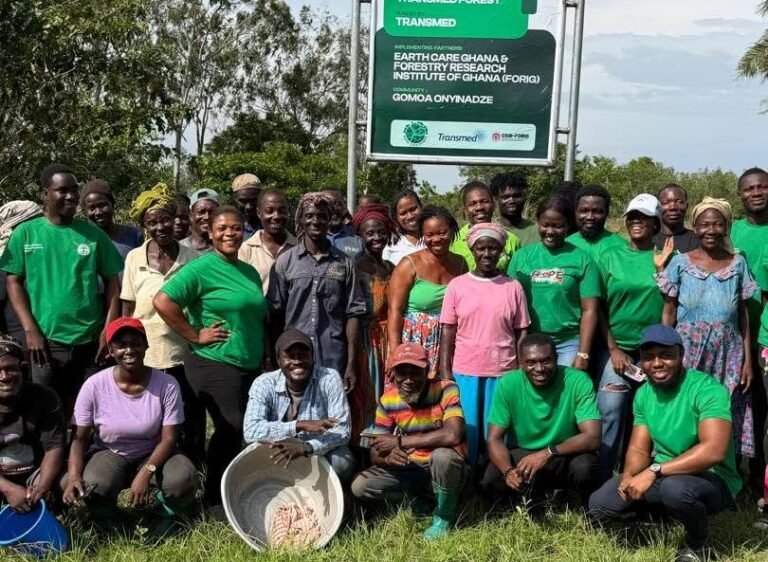
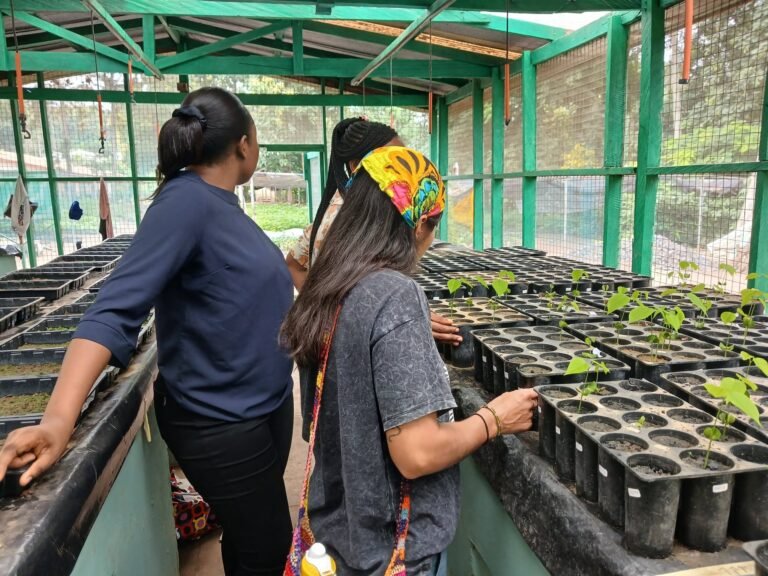
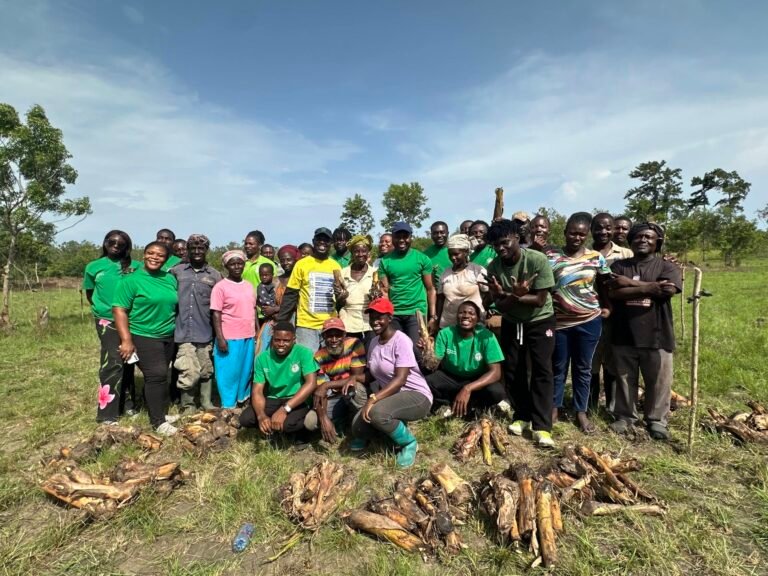
- Community-run native species nurseries, building local capacity and ownership.
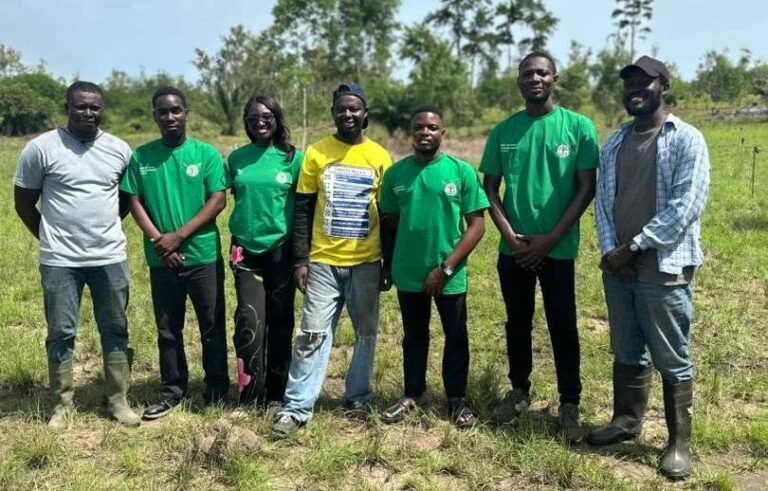
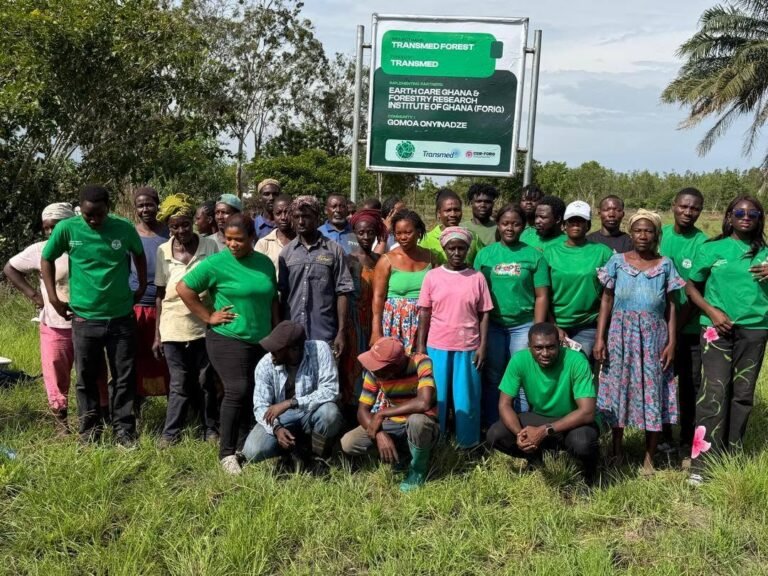
- Scientific monitoring by FORIG, ensuring the restoration is grounded in research and measurable results.
Why It Matters
- Restores clean water and fertile soil.
- Supports local livelihoods.
- Builds resilience against climate change.
The Bigger Picture: Biodiversity and Forest Loss in Ghana
Yenku’s story is part of a much larger national and global pattern. Ghana loses an estimated 120,000 hectares of forest cover every year, driven primarily by illegal logging, unsustainable agricultural practices, and illegal mining (Galamsey) activities all of which threaten biodiversity and the livelihoods of millions of Ghanaians. In 2022 alone, the country lost 118,000 hectares of natural forest, equivalent to roughly 78 million tons of CO₂ emissions, a 60% jump from 2018 that made Ghana the tropical country with the highest relative increase in primary forest loss that year.
The consequences extend well beyond the trees themselves. Shrinking forest cover is linked to declining water levels in rivers and streams and the loss of plant and animal species that depend on these habitats including protected species such as the red river hog, roan antelope, and red and black colobus monkeys. Forest loss is itself a warning sign of wider biodiversity decline, a problem made worse by weak enforcement of conservation policies.
This local reality mirrors a global crisis. Worldwide, monitored wildlife populations have declined by an average of 73% since 1970, according to WWF’s Living Planet Report, with habitat degradation and loss remaining the most commonly reported threat to wildlife, followed by overexploitation, invasive species, and disease. Every hectare of savannah and forest restored at Yenku is a direct, local answer to what is otherwise a global trend of decline — proof that restoration, done deliberately and scientifically, can help bend that curve back in the right direction.
Voices from the Community
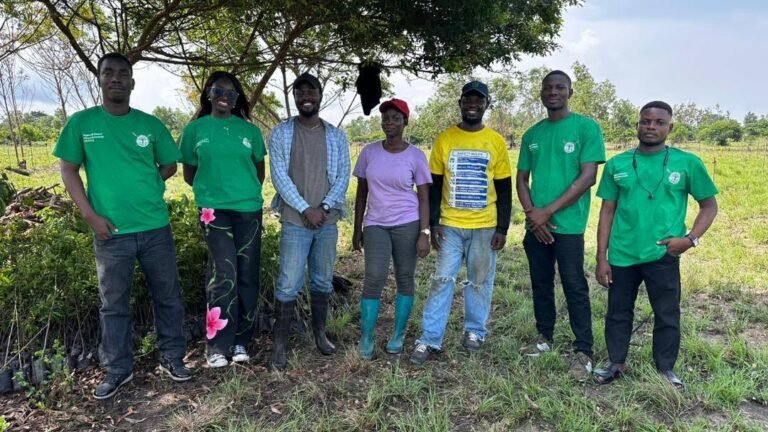
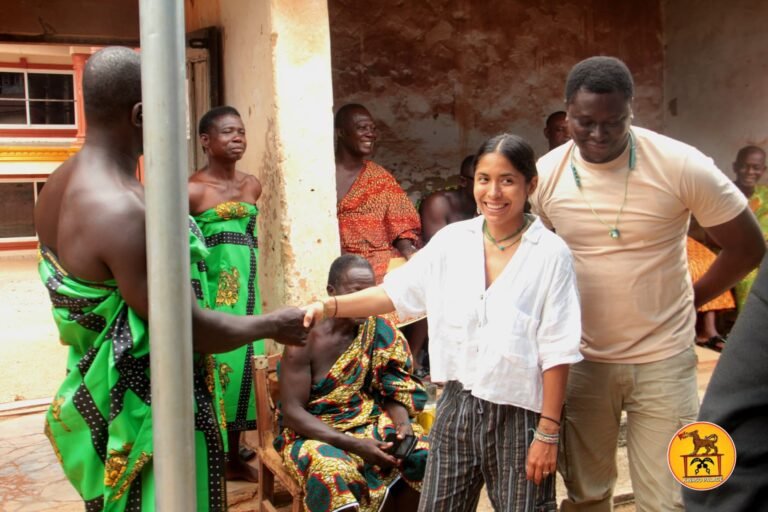
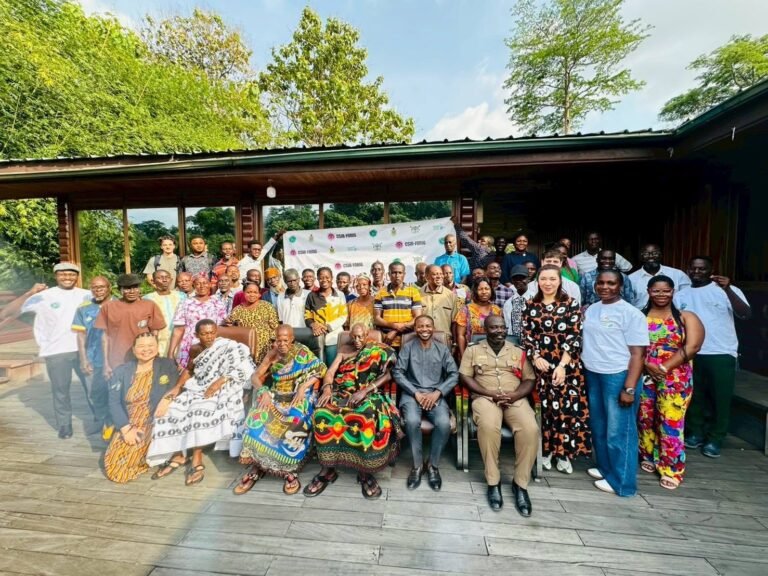
“What our grandparents described as a lush, wildlife-rich savannah has contracted dramatically. We feel the difference every dry season.” — A resident of Gomoa Onyinadze. Together with Transmed and FORIG, Earth Care Ghana is proving that ecosystem restoration is both an ecological necessity and a wise investment in our shared future.
The coastal savannah is not lost. Together, we are bringing it back.
A Message from Earth Care Ghana
Thank you for believing in a greener tomorrow. Every restored hectare is a gift to the generations yet to come. Stay tuned as we continue this journey — one seedling, one community, one savannah at a time.
#EarthCareGhana #RestoreYenku #CoastalSavannah #GomoaOnyinadze #CentralRegion #Transmed #FORIG #AssistedNaturalRegeneration #MimickingNature